
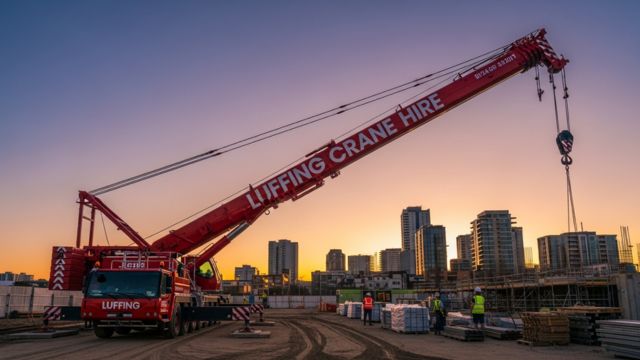
The excitement on a construction site reaches its peak when a massive piece of equipment arrives for assembly. Among the most impressive sights in the industry is watching a luffing crane come together piece by piece. For project managers, contractors, and curious onlookers alike, understanding the timeline involved in this process helps set realistic expectations and ensures smooth project planning.
Understanding the Complexity Behind Luffing Crane Assembly
Before diving into timeframes, it helps to appreciate what makes these machines so special. Unlike traditional tower cranes that swing their jibs horizontally, luffing cranes move their booms up and down in a motion that resembles a nodding head. This unique design makes them perfect for congested urban environments where multiple cranes operate in close proximity.
The assembly process involves numerous components that must come together perfectly. From the tower sections and slewing mechanisms to the jib, counterweights, and cabin, every element requires careful handling and precise positioning. When considering luffing crane hire for your next project, understanding this complexity helps you appreciate why installation requires dedicated planning and experienced crews.
Typical Timeline for Complete Installation
Generally speaking, erecting a luffing crane takes anywhere from two to five days under normal circumstances. However, this timeline can stretch or compress depending on various factors unique to each job site. A straightforward installation on open ground with easy access might wrap up in just a couple of days. Meanwhile, a challenging urban location with limited space could extend the process significantly.
The first day typically involves preparing the foundation and beginning tower assembly. Crews work methodically to ensure the base is level and secure before adding tower sections one by one. This foundation work cannot be rushed, as it determines the safety and stability of the entire structure for months or even years to come.
Factors That Influence Installation Time
Weather plays a crucial role in determining how quickly work progresses. High winds can halt operations entirely, as lifting heavy components becomes dangerous when gusts exceed safe thresholds. Rain and lightning present obvious hazards, while extreme temperatures can affect both equipment performance and worker safety.
Site accessibility also impacts the timeline considerably. Narrow streets, overhead power lines, and neighboring structures can complicate the delivery of components and restrict the movement of support equipment. Many projects rely on franna crane hire southern highlands services and similar mobile crane solutions to assist with positioning tower sections and lifting smaller components into place during assembly.
The experience level of the installation crew matters tremendously as well. Seasoned riggers who have assembled dozens of these machines work with a rhythm and efficiency that newer teams simply cannot match. They anticipate problems before they occur and solve challenges quickly when unexpected issues arise.
The Role of Support Equipment in Installation
No luffing crane goes up alone. The installation process requires various support equipment working in harmony. Mobile cranes handle the heavy lifting of tower sections and counterweights. Trucks deliver components in carefully planned sequences. Generators power tools and lighting for early morning or evening work sessions.
Selecting the right support equipment provider becomes just as important as choosing your main crane supplier. Companies that offer comprehensive luffing crane hire services often coordinate all necessary support equipment, simplifying logistics and ensuring compatibility between machines and crews.
Safety Considerations That Extend Timelines
Nobody wants to hear that their installation might take longer than expected. However, safety considerations should always take priority over speed. Inspections at various stages of assembly, testing of electrical and mechanical systems, and verification of load charts all require dedicated time.
Regulatory requirements also demand attention. Local authorities may need to approve certain aspects of the installation, particularly in urban areas where the crane will operate near busy streets or populated buildings. These administrative processes can add hours or days to the overall timeline.
Planning for Success
Smart project managers build buffer time into their schedules when anticipating luffing crane installation. Rather than assuming the best-case scenario, they prepare for moderate delays and consider contingency plans if significant problems arise.
Communication with your crane provider proves essential throughout this process. Reputable companies maintain open dialogue about realistic timelines and potential challenges specific to your site. They conduct thorough site assessments before quoting timeframes and remain transparent about factors that might cause delays.
Final Thoughts on Installation Expectations
Watching a luffing crane rise from ground level to tower over a construction site remains one of the industry’s most impressive spectacles. While the two-to-five-day typical timeline gives you a reasonable expectation, every installation presents unique circumstances that influence the actual duration.
Partnering with experienced providers, maintaining flexibility in your schedule, and prioritizing safety over speed will ensure your installation day—or days—proceeds as smoothly as possible. The patience invested during assembly pays dividends throughout the project as your crane operates safely and efficiently overhead.


